Section 26 05 33
This section specifies the furnishing, installation, and connection of conduit, fittings, and boxes, to form complete, coordinated,
1. Bonding of Enclosures and Doors All metallic enclosures, including fireproof distribution boxes and their doors, must be bonded to the grounding system. NEC 250.148 mandates that metallic parts of electrical boxes, including cabinet doors, be connected to ground using a dedicated grounding screw or clip, ensuring no part of the enclosure remains electrically isolated . This prevents shock hazards and ensures proper operation of overcurrent protection devices. 2. Conduit and Feeder Connections Incoming and outgoing conduits must be equipped with grounding bushings and bonded to the enclosure. For conduits over 1-1/4” diameter, bolted ground connectors are required at panelboards, pull boxes, and equipment . Each feeder and branch circuit should include a separate insulated green grounding conductor connected from the panel ground bus to all connected equipment . 3. Grounding Conductors and Bonding Jumpers A continuous copper conductor should connect all metallic parts, including pull boxes, disconnect switches, starters, and transfer switches, to the main grounding system. Bonding jumpers must be installed across expansion or deflection fittings to maintain electrical continuity . The grounding conductor should be sized according to NEC 250.122 based on the overcurrent protection rating. 4. Grounding Electrode System Distribution boxes must be connected to the building's grounding electrode system. The total resistance to earth should not exceed 25 ohms, and multiple rods may be required if resistance is higher . Proper material selection, such as copper-bonded steel rods, ensures long-term reliability and corrosion resistance. 5. Testing and Verification All grounding connections must be tested for continuity and proper resistance. Continuity tests ensure that all metallic parts are electrically connected, while grounding electrode resistance tests verify effective dissipation of fault currents . 6. Material Considerations Metallic boxes, including stainless steel or aluminum, require dedicated bonding. Non-metallic boxes generally do not require grounding unless they have metallic frames or hinges . Contact surfaces must be clean and free of paint or coatings to ensure a reliable electrical connection .
To comply with NEC and industry standards, fireproof electrical distribution boxes must have:
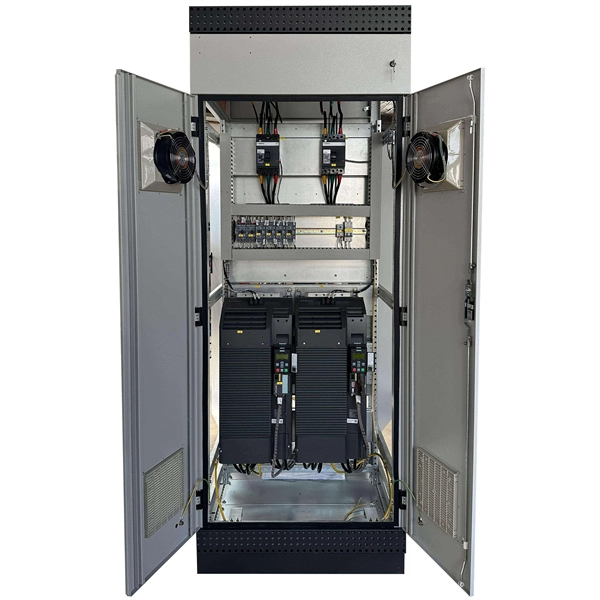
This section specifies the furnishing, installation, and connection of conduit, fittings, and boxes, to form complete, coordinated,
The enclosure shall include provisions for a solid connection for the grounding terminal to effectively ground the machine frame. The
These requirements help prevent electrical shock, fires, and ensure the proper operation of overcurrent protection devices by
7. Grounding and Bonding Considerations Galvanized pipes inherently have a zinc coating that can affect
This requirement was extracted from NEC 250-51, Effective Grounding Path, which is more complete and fundamental to the
Use equipment grounding conductors sized equal to the phase conductors to decrease circuit impedance and improve
4、 All kinds of electrical components and leakage protectors used in distribution boxes at all levels shall meet the quality
Installation guide for hazardous areas This installation guide should not be used as the controlling document for the installation of
Fire resistant enclosures and junction boxes are used to maintain electrical and electronic circuit integrity to emergency lighting,
Learn how to install a distribution box safely and correctly. Covers wiring, placement, standards, and expert tips for a
Without grounding, anyone touching it becomes the path to earth—and gets shocked (or worse). NEC 250.148 doesn''t
A nongrounding-type receptacle may be replaced with a grounding-type receptacle where supplied through a ground-fault circuit
Master the requirements for bonding devices and ensuring the unbroken safety path of the grounding conductor
Proper grounding enhances electrical safety and ensures compliance with NEC standards, reducing the risk of
referred to as a membrane penetration. Such penetrations occur most frequently due to the installation of recessed electrical boxes.
Bond electrical power system ground directly to lightning protection system grounding conductor at closest point to electrical service
National Electrical Code 2023 Basics: Grounding and Bonding Part 1 Learn about the general requirements for
Discover the importance of electrical grounding and how it prevents equipment damage.
Quantities that can be calculated are subject to increasing requirements in factories and buildings. Also, the control and monitoring
Electrical installations. Equipment, wiring methods, and installations of equipment in hazardous (classified) locations shall be
The intent of this article is to discuss the requirements of solidly grounded, alternating
Learn how to ensure your electrical installations meet Electrical Junction Box NEC Code Standards. This
It also discusses the requirement for mechanical protection in places where the risk of damage is high. Paragraph 16.2
1. Introduction The IEE''s Technical Helpline receives numerous calls from contractors requesting information on the earthing and
The metal box of the distribution box, the electrical installation board, and the metal base and casing of the electrical
For electrical systems to function correctly, reliably, and safely in these settings, effective grounding procedures are essential. By
Understand key IEEE standards for electrical enclosures—covering safety, grounding, shielding, and durability—and
Whether you''re a seasoned pro or just starting out, this comprehensive guide will give you practical insights into proper
Electrical Grounding Techniques Grounding and bonding are the basis upon which safety
Connect the conductor from the panel ground bus or connector at the source to all items to which the conduits or raceways connect.
Our photonic engineering team can help you select the right connector or splitter for your network.