Optimising low-temperature district heating networks: A simulation
Low temperature district heating and cooling networks are considered an essential technology to reduce buildings
Hybrid energy systems combine multiple energy sources, such as solar photovoltaics (PV), fuel cells, conventional generators, and battery energy storage systems (BESSs), to optimize energy supply, reduce emissions, and improve economic viability . These systems dynamically allocate energy resources, adapt to fluctuations in demand, and enhance self-sufficiency, which is particularly valuable for operator backbone networks that require uninterrupted power for critical communication infrastructure .
Low-temperature resistance is crucial for HESs deployed in regions with cold climates or for systems that rely on low-grade heat sources. For example, hybrid absorption-compression refrigeration systems can operate efficiently at generator temperatures as low as 70 °C for LiBr–H₂O systems, improving performance under low-temperature conditions . Similarly, integrating low-temperature renewables such as geothermal or low-grade solar thermal energy into district energy systems demonstrates the feasibility of maintaining energy supply in cold environments .
Operator backbone networks benefit from low-voltage DC (LVDC) backbones, which interconnect distributed PV and BESS installations. LVDC systems reduce conversion losses by up to 12 percentage points compared to traditional AC systems and improve self-consumption and self-sufficiency indexes by up to 15 percentage points . This architecture allows for aggregated renewable energy sharing, reduces the required BESS capacity by up to 22%, and ensures stable power delivery to network nodes, even under low-temperature conditions .
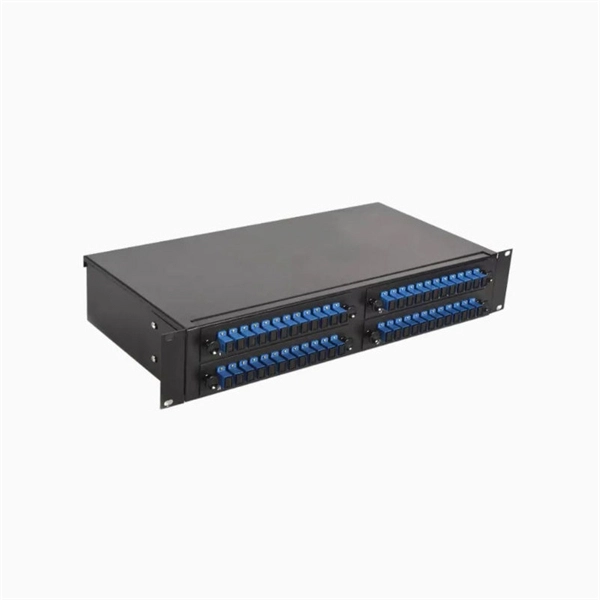
Low temperature district heating and cooling networks are considered an essential technology to reduce buildings
Hybrid energy storage systems (HESSs) can considerably improve the dependability, efficiency, and sustainability of
This review highlights advancements in multi-objective optimization techniques, real-time energy management, and
This article provides a timely review of the advances and challenges in hybrid photovoltaic-thermoelectric generator
Hybrid telecom power systems combine renewable energy sources like solar and wind with batteries for reliable
These systems utilize a low-grade thermal carrier, typically water, operating near ambient temperatures, which enables the effective
The present research focuses on unique ORC and ERC systems, considered as combined power and cooling
To address these challenges, this paper proposes a hybrid RES architecture integrated with the grid, enhanced by
Fiber optics form the essential backbone of modern communications by using light pulses in glass fibers to transmit
Hybrid Renewable Energy Systems are pivotal for the sustainable energy transition, yet their design and operation
“Our approach is a local low-temperature network powered by deep geothermal wells. These wells not only produce renewable heat,
HRES integrates two or more renewable energy sources, typically solar, wind, and hydro, with energy storage
Over the decades, significant research on renewable energy systems (RESs) and their diverse applications has been conducted.
Non-terrestrial networks and hybrid networks will play an important role to achieve this. The use of satellite
Hybrid renewable energy utility systems, or HYRES, are systems that provide heating, cooling, and power utility to
Hybrid energy systems have been used to restructure network infrastructure and identify the ecosystem''s many
During this period, operators must manage hybrid networks in which SDN and traditional protocols coexist. In this study, we
DCI Backbone Network Solution By 2025, 90% of services will be migrated to the cloud, being hosted in DCs. DCs are getting larger,
A hybrid energy system is defined as a combination of integrated energy systems that generate and store power, often utilizing
The growing need for sustainable energy solutions has propelled the development of Hybrid Renewable Energy
Hybrid renewable energy systems, as the combination of different energy systems, provide a promising way to harvest
Advanced control strategies and inverters play to improve modern power systems. Simulation tools and stability
A hybrid energy system combines multiple types of energy generation and/or storage or uses two or more kinds of fuel to power a
Battery performance is significantly reduced at low temperatures, posing a challenge. To overcome this issue, the
The ever increasing trend of renewable energy sources (RES) into the power system has increased the uncertainty in
Therefore, the integration of a low-temperature sub-network (sub-LTDHN) and creating an energy cascade is an
These systems are characterized by operating at significantly lower temperatures than those used in conventional
Abstract Off-grid hybrid systems, based on the integration of hydrogen technologies (electrolysers, hydrogen stores
Low-temperature district heating networks (LTDHN) operating at supply temperatures of 50-70°C can very effectively
Our photonic engineering team can help you select the right connector or splitter for your network.