Cisco Nexus 7700 Switches Data Sheet

-
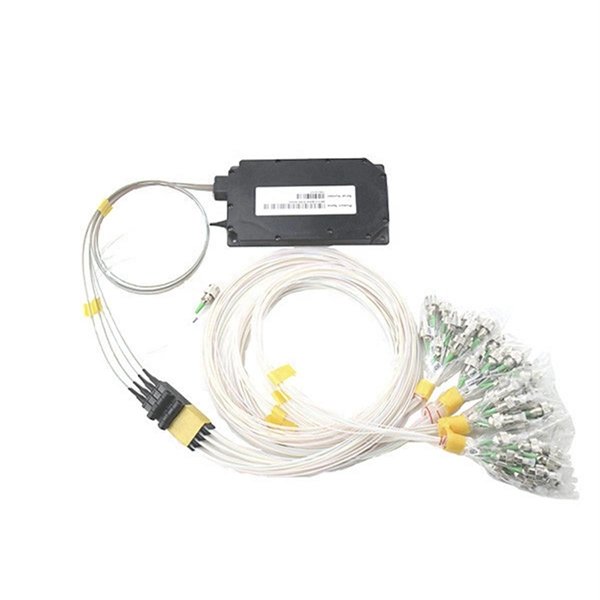
How to hide wires in a data center power distribution box
This involves routing low-voltage communication cables, such as HDMI, Ethernet, or speaker wire, behind drywall. The process starts by cutting two access holes: one behind the device and another near the power source or equipment cabinet. Data center enclosure cable management depends on organized routing, separation and securing of power and data cables to protect airflow and reliability. Through a real deployment case using E-abel server cabinets, we illustrate how cabinet design and connector. If you want to do it yourself or just understand what stages the process is comprised of, let's see what we'll need to hide wires on wall: This class embraces a wide assortment of accessories. The required. The power cables as the name suggest are used to deliver Electric Power from the generation station ( source) to the next checkpoint ( distribution center, end-user, etc. we can broadly classify them into AC and DC. Now since our generation is more inclined to AC power we have many more varieties. Electrical systems define whether a data center can operate safely, continuously, and efficiently under real-world load conditions., low power usage effectiveness.
[PDF Version]
-
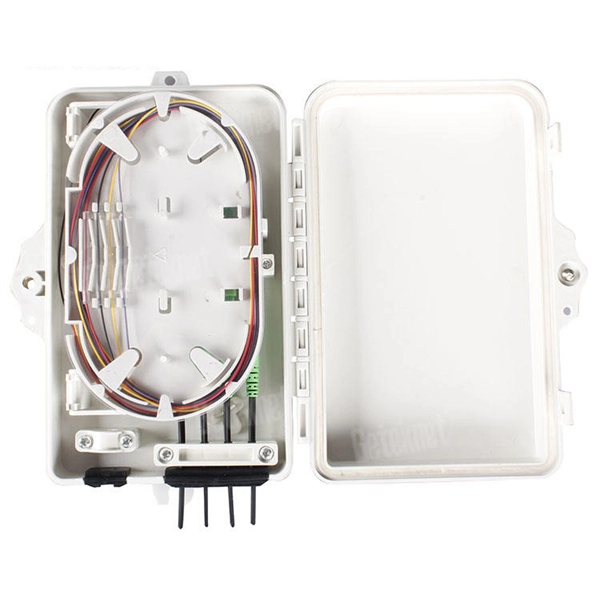
Micro-module data center construction vendors
Some of the top manufacturers of modular data centers include HPE, IBM, Eaton, Schneider Electric, Huawei, Dell, Vertiv, and others. Discover the top 10 companies driving the future of modular data centres with innovative, scalable and sustainable infrastructure solutions As computing demands surge, modular data centres are redefining how infrastructure is built, scaled and operated. These firms create prefabricated data centers—quick, efficient setups designed for various industries. Companies operate across multiple sectors, focusing on solutions such as cooling systems. Working with our Vertiv Sales team enables complex designs to be configured to your unique needs. 0 and edge computing by bringing IT wherever you need it most.
-
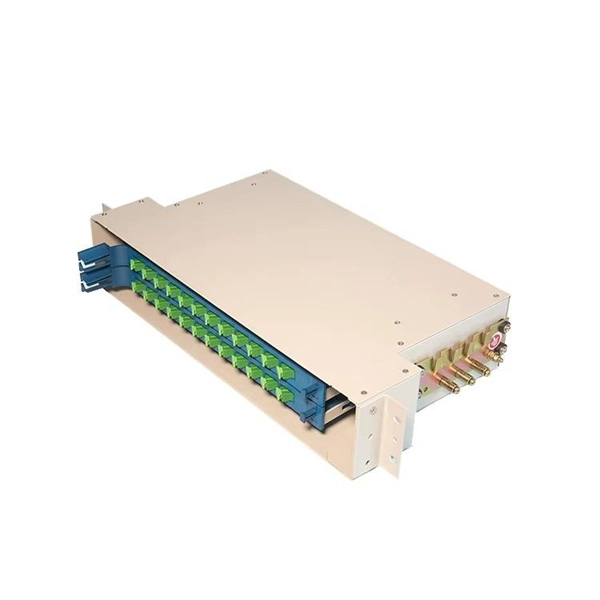
Cold Aisle Data Center Customized Solution
Design, manufacture and install of bespoke aisle containment systems for use in retrofit, new build and hyperscale projects. Aisle containment is a recognised solution to aid the cooling of high-density server installations within Data Centres and Enterprise IT rooms. Cool Shield™ containment offers state-of-the-art hot and cold aisle containment solutions designed to maximize data center efficiency while significantly reducing. Introducing the AisleFrame™ System with optional Composite Material Technology – engineered to reduce costs, speed up deployments, and shrink your carbon footprint. It prevents mixing of hot and cold air, ensuring effective data center airflow management and. Ardmac have developed a range of Ground Supported (GS) and Ceiling Supported (CS) assemblies catering to an array of different modular clean rooms and off-site construction industry requirements including data centre design and data centre construction.
[PDF Version]
-

Luxembourg Joins High-Density Edge Data Centers
The Luxembourg EDH Data Center, managed by Portus Data Centers, is a cutting-edge facility located in Luxembourg, providing high-performance colocation and connectivity services for enterprises across Europe. At the same time the company is pleased to announce the site's expansion with a further 1. The company, through its Microsoft Belux (Belgium-Luxembourg) department, will bring the cloud offering to Luxembourg in 2026. According to the company, this will give Luxembourg-based customers access to Microsoft's cloud. This new cloud ecosystem, strategically and physically located in the Grand Duchy, offers advanced cloud infrastructure to meet growing local data management and processing needs.
-
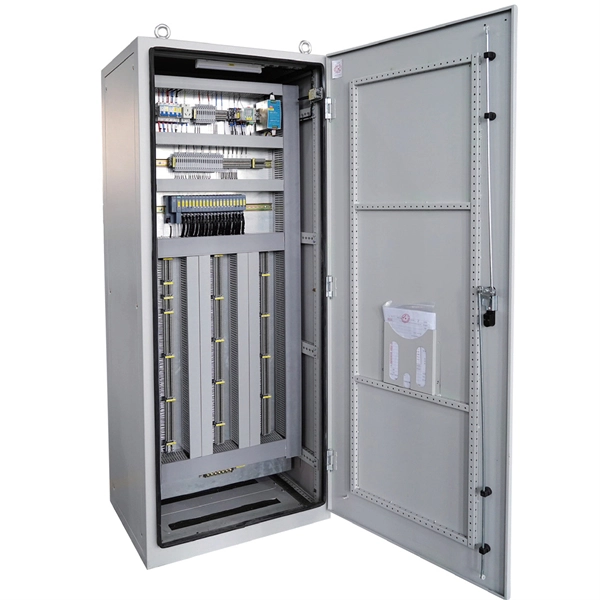
Cold Aisle Data Center Equipment Architecture
The hot aisle /cold aisle data center layout was originated by IBM in 1992 and it is one of the oldest ways to save energy in the data center. 1 Hot aisle/cold aisle layout involves lining up server racks in alternating rows with cold air intakes – the fronts of servers –. Hot aisle and cold aisle containment are foundational concepts in data center design. When implemented correctly, they improve efficiency, reduce energy consumption, extend equipment life, and enhance overall reliability. To maintain thermal performance, equipment accessibility, and safety, it's essential to follow key spatial guidelines. The design uses air conditioners, fans and raised floors as a cooling infrastructure and focuses on the separat on of the cold inlet air and the hot. Data center cooling architectures define the physical arrangement of air distribution, containment strategies, and cooling equipment placement to manage heat loads ranging from 5-30 kW/rack in modern facilities. An enormous amount of energy is used every day to maintain an acceptable intake temperature to the IT equipment.
[PDF Version]
Related article topics
- Outdoor power distribution box heating
- New remote power supply model for IDC data centers
- Senegal wholesale price AI server SFP
- Are trapezoidal cable trays useful
- Fiberglass Cable Tray Binding
- Dimensions of cold aisle rooms for hospital computer rooms
- Safety Redundancy of Relay Protection
- The electrical distribution box is next to my house
- Which Taiwanese manufacturer makes the best cable tray trough type
- 10kV busbar lower and lower limits
- Fiber Optic Switch Cabling
- Colombia High Voltage Transmission and Distribution System
- First-level Construction Engineer Fiber Optic Cable Testing
- Installation of Portuguese Grid Cable Trays
- Fiber optic transceivers switches and optical modules
- KVM Console Switcher
- High-quality fiber optic switch from Bhutan
- Madagascar Mesh Cable Tray Factory
- Functions of Photovoltaic DC Combiner Box
- Combined use of optical modules and optical fibers
- Metal conduit entering the distribution box and grounding
- Is a 450G router suitable for a 200Mbps fiber optic connection