Energy Efficiency Requirements For Edge Computing

-
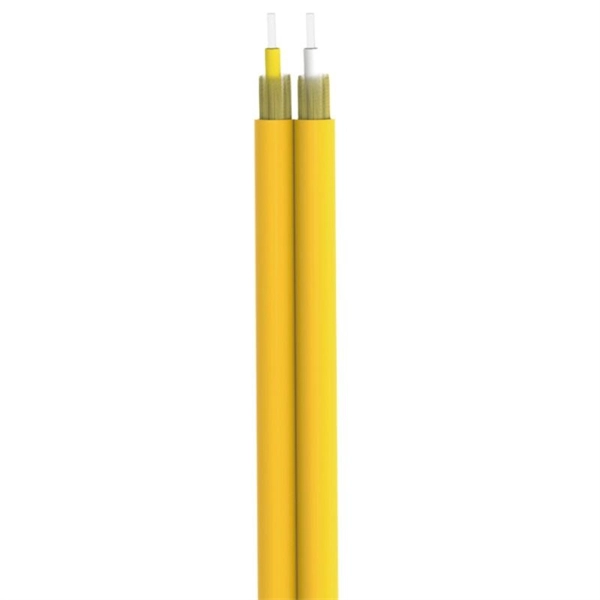
High-density cabling system for edge computing data centers
To meet fast-moving, rigorous requirements, cutting-edge cabling solutions – including ultra-dense fibre panels and the latest generation of Automated Infrastructure Management (AIM) systems – are essential. AI-driven infrastructure is unforgiving of downtime and demands built-in. The migration to 400G and 800G Ethernet is revolutionizing the requirements for high-density data center cabling and making high-density fibre optic solutions a technical necessity. While 100G connections were still feasible with single fibers, 400G already requires 8 parallel fibers per direction. As a vertically integrated manufacturer of cable, connectors, assemblies and enclosures, we have the capacity, agility and resources to deliver high performance cabling systems in every time zone, on demand. What Is Fiber Shuffle. Molex provides high-density connectors and multi-lane high-speed interconnects that prepare data centers for future challenges. As AI, machine learning (ML) and generative AI (GenAI) applications scale, higher data rates are straining existing physical infrastructure.
[PDF Version]
-
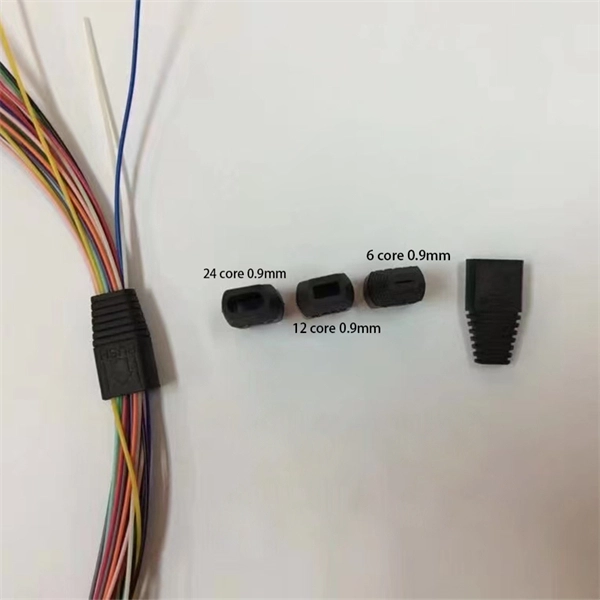
Upgraded version of vertical cavity surface-emitting laser for edge computing
In this paper, we present the development and performance of a 940nm multimode VCSEL with 3-dB small-signal modulation bandwidth exceeding 25GHz over temperature and relative intensity noise (RIN) below -145dB/Hz, suitable for 100Gb/s per lane data transmission. We report high frequency (20-100 GHz range) optical field intensity oscillations in laterally-coupled-cavity verticalcavity surface-emitting lasers with several different techniques. The oscillation frequency is defined by the photon energy splitting of the coupled states. A −3 dB bandwidth greater than 35 GHz and a RIN of less than −152 dB/Hz are demonstrated. The state of the art of present designs of VCSELs is summarized, including driving conditions.
-

Cloud Computing Communication Site Energy Remote Monitoring Spot Goods
Energy Management Software: Platforms like Schneider Electric's EcoStruxure and Siemens' EnergyIP offer comprehensive energy monitoring solutions. Cloud Platforms: AWS IoT Core, Microsoft Azure IoT Hub, and Google Cloud IoT are popular choices for cloud-based. Cloud monitoring for energy refers to the use of cloud-based platforms and tools to track, analyze, and optimize energy consumption and production in real-time. By leveraging the power of cloud computing, organizations can collect data from various energy systems, such as power plants, smart grids. An industrial edge gateway fits into this architecture as the field-side layer between renewable energy site equipment and upper-layer monitoring systems. These systems capture data, such as temperature, pressure, motion, or power usage, and transmit it to central platforms for processing. Real-Time Data and Monitoring: Smart grids enable continuous monitoring of energy consumption at the consumer level, transmission lines, and power generation facilities. This wealth of data helps utilities identify inefficiencies, forecast energy needs, and adjust supply in real time.
[PDF Version]
-
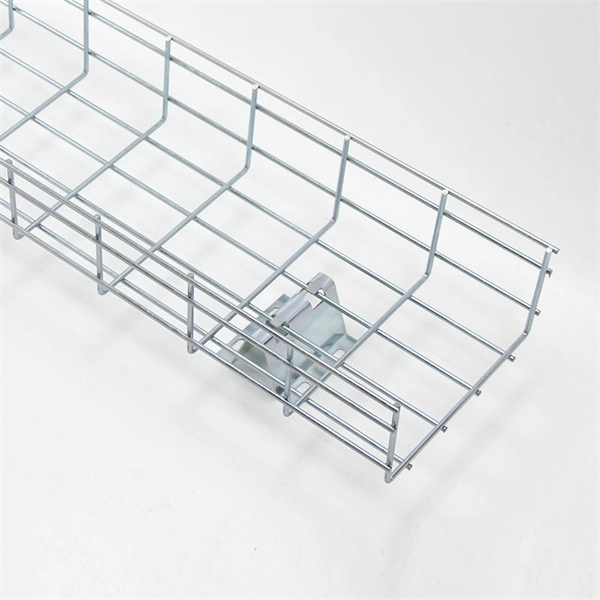
Requirements for pigtail cable support spacing
(1) This guide provides a quick reference to spacings of cable support clips in accessible positions. The spacing stated for horizontal runs may be applied also to runs at an angle of more than 30 Degrees from the vertical. As the cable diameter increases, the distance between clips is permitted to grow. (3) BS 7671 requires the intervals between cable supports (as well as the means of. The NEC requires that cable trays must be supported by members at an interval specified by the cable tray manufacturer, but not more than 5 feet for horizontal runs to support the weight of the cables and other loads. Proper installation can significantly reduce electromagnetic interference, prevent fire hazards, and improve overall efficiency.
-
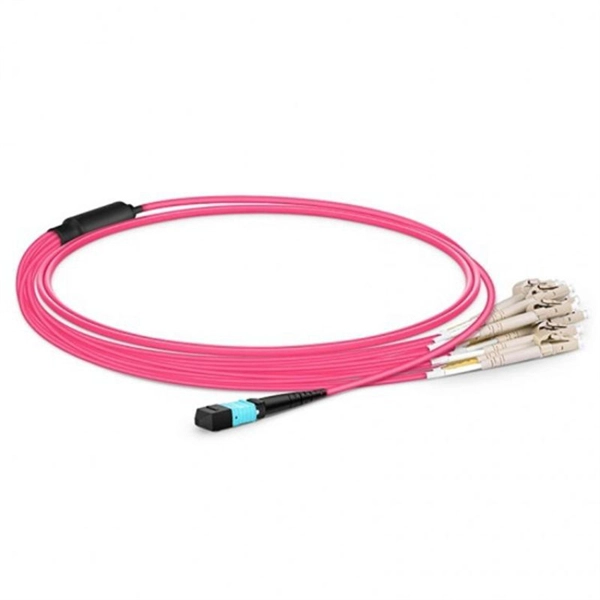
Nordic Power Distribution Box Configuration Requirements
Check for proper IP/NEMA ratings and material quality. Ensure safe placement: install in dry, accessible areas with good ventilation and at appropriate height (typically ~1. Practice good wiring: secure grounding, neat cable management, proper insulation, and correct wire gauge and. Download 5 Nordic Power Distribution Unit PDF manuals. Commission Regulation (EU) 2016/631 of 14 April 2016 establishing a network code on requirements for grid connection of generators The RfG requirements apply to all new generation facilities >0. Facilities. The July 2022 version changes the document type from “Guide” to “Requirements”. Utilizing over a century of experience in the electrical sector, this solution is efficient, resilient, secure, and. This newly designed first volume, “Planning of Electric Power Distribution – Technical Principles”, looks, in particular, at the general requirements and characteristics which are of interest in planning electric power distribution. The subsequent volumes of the series “Planning of Electric Power.
[PDF Version]
-
Requirements for cold-joint flanges
Pipe's FLANGE-TYTE IITM Gaskets or RING FLANGE-TYTETM Gaskets (4" through 64"size) are recommended for all flanged joints. The flanges of ANSI/AWWA C110/A21. A flange joint is a detachable, force- and form-fit connection of two components using matching flanges that are clamped together by bolts and nuts. Flange joints are standardized worldwide. This Standard will be revised when the Society approves the issuance of a new edition. ASME issues written replies to inquiries concerning interpretations of technical aspects of this Standard. Ensuring their integrity under applied loading is vital for safety, leak prevention, and asset reliability. This method helps stop leaks and keeps the pipeline strong. 8 For details of non-destructive tests on piping systems, other than hydraulic tests, see Ch 13 Requirements for Welded Construction of the Rules for Materials. 9 The requirements in Vol 2, Pt 7, Ch 1, 5. 1. Guidelines for Pressure Boundary Bolted Flange Joint Assembly Guidelines for Pressure Boundary Bolted Flange Joint Assembly AN AMERICAN NATIONAL STANDARD ASME PCC-1–2019 (Revision of ASME PCC-1–2013) Licensed to Luigi A.
[PDF Version]
Related article topics
- Explosion-proof rating of Cuban steel plate electrical distribution box
- Cable tray tee processing method
- Disc-type optical fiber fusion splicer
- Router only shows power and fiber optic lights
- Removal of fiber optic cables from the computer room
- What are the dimensions of outdoor server racks in Cameroon
- Qingxin Mesh Cable Tray Factory
- OPGW fittings 1310nm warranty
- Detecting the location of optical cable laying
- Customized Large-Span Cable Trays by Yian
- Are fiber optic cables expensive Are electrical cables expensive
- Asia Distribution Box Price Website
- How to connect a jumperless fiber optic tray
- Installation of Photovoltaic Panel Distribution Box
- Network cable routing via wall-mounted cable trays
- LC optical modules in stock
- Where to buy fiber optic cables in Zambia
- Wholesale of mechanical distribution boxes from manufacturers in Eastern Europe
- Chinese Stainless Steel Cable Ties
- Data Center Fiber Optic Cable Resource Survey Table
- Total amount of fiber optic patch cords in Ethiopia
- Kuwait Energy Guatemala Groundbreaking Ceremony
- Monaco Data Center Rack 2U
- Hollowed-out cable tray cover plate
- Albanian Safety Cable Tray Support Factory
- The role of dedicated fiber optic switches
- How to use a 1-to-2 optical splitter
- Mobile fiber optic cables do not require splitters
- Oman Grid Cable Tray