Hot Aisle Containment Vs Cold Aisle Containment

-
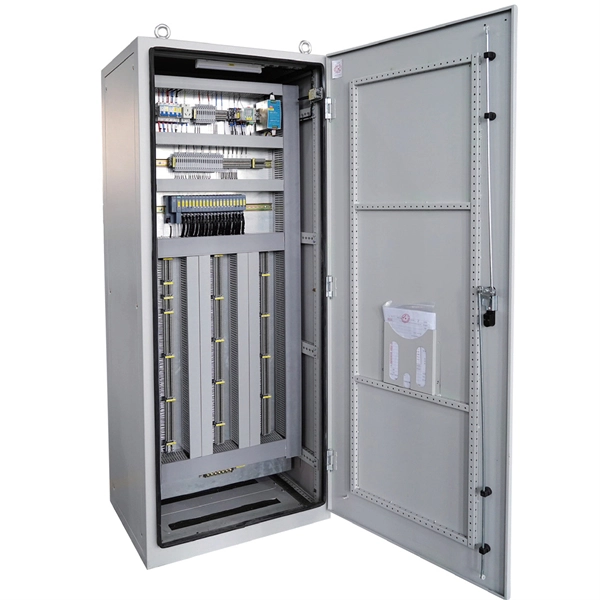
Cold Aisle Data Center Equipment Architecture
The hot aisle /cold aisle data center layout was originated by IBM in 1992 and it is one of the oldest ways to save energy in the data center. 1 Hot aisle/cold aisle layout involves lining up server racks in alternating rows with cold air intakes – the fronts of servers –. Hot aisle and cold aisle containment are foundational concepts in data center design. When implemented correctly, they improve efficiency, reduce energy consumption, extend equipment life, and enhance overall reliability. To maintain thermal performance, equipment accessibility, and safety, it's essential to follow key spatial guidelines. The design uses air conditioners, fans and raised floors as a cooling infrastructure and focuses on the separat on of the cold inlet air and the hot. Data center cooling architectures define the physical arrangement of air distribution, containment strategies, and cooling equipment placement to manage heat loads ranging from 5-30 kW/rack in modern facilities. An enormous amount of energy is used every day to maintain an acceptable intake temperature to the IT equipment.
[PDF Version]
-
Standard Modular Cold Aisle Cabinets
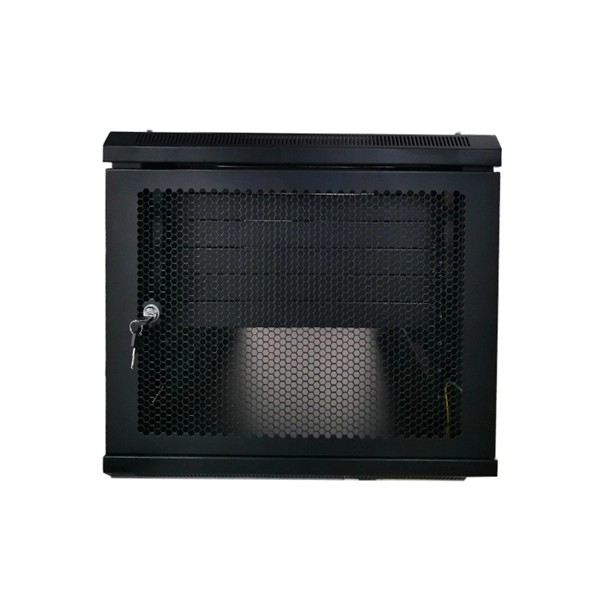
A Modular Cold Aisle Cabinet is a specialized server cabinet designed for modern data centers. It is installed within the cold aisle and separated from the hot aisle, creating a highly efficient airflow system that directs cool air directly to server intakes while preventing hot air. Data centers opting for cold containment deliver cold air through a raised floor into the aisle. This air is contained in front of the cabinets, creating a homogeneous air plenum at the desired temperature. A cabinet supported cold aisle containment solution consists of aisle-end. The aisle containment system is a modular rowbased thermal containment solution, which separates cold and hot data center air streams to and from equipment. It manages airflow at the source, increases the cooling e ciency and significantly lowers down operating costs.
[PDF Version]
-
Proxy server room cold aisle outdoor type
The cold aisles are physically enclosed with doors and a roof or panels. Cool air from the raised floor (or overhead ducts) is contained in this aisle. Servers pull in air at consistent, low temperatures. The hot aisles are. Cold aisle containment (CAC) serves as a fundamental airflow management strategy in modern Data Centres, optimising cooling efficiency and enhancing overall performance. The Aisle Containment System is an intelligent thermal containment solution designed to increase cooling system efficiency while protecting critical IT equipment and. Aisle containment is a cooling system that completely separates the cold supply airflow from the hot equipment exhaust air.
-
Senegal s high-density cold aisle storage
Senegal's Minister of Industry and Commerce, Serigne Guéye Diop, has begun construction of a cold storage warehouse in Ngomène, Thiès region. The facility, designed to store onions and potatoes, will have an initial capacity of 250,000 metric tons, expandable to one million tons in the long term. New Ngomène facility aims to reduce waste, stabilize prices and support rising horticulture output. Serigne Gueye Diop, Minister of Trade and Industry, Dr. Alioune Dione, Minister. The Project is expected to have a positive development impact in Senegal by increasing the availability of temperature-controlled cold chain storage for food and pharmaceutical products.
-
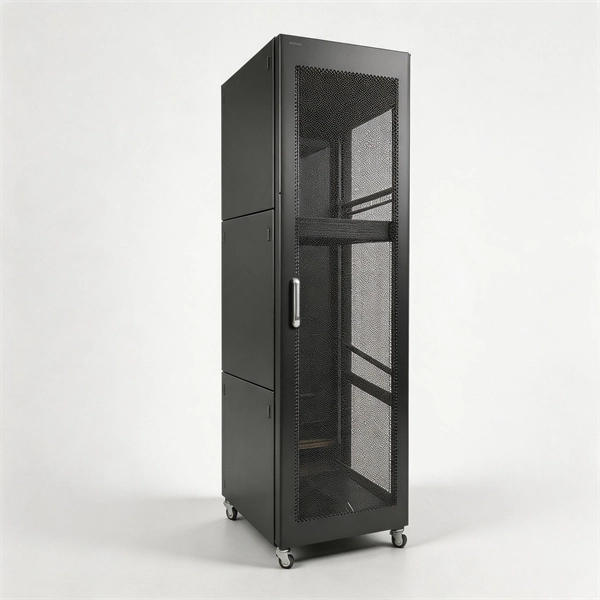
Which manufacturer makes the cold aisle server racks
In 2024, Worthington Armstrong Venture (WAVE), a joint venture between Armstrong World Industries, Inc., acquired all of the assets of Data Center Resources, LLC (DCR) related to the design and manufacture of customizable, modular aisle. Optimise your data centre, drive return on investment and contribute to a greener future with cold aisle enclosures that optimise your server rack cooling system. Cold aisle enclosures seal in cold air and prevent mixing of cold and hot server exhaust air Bespoke end of aisle containment doors. Eaton offers a wide range of partial and total containment solutions that can accommodate hot aisle containment, cold aisle containment and rack-based heat containment. Eaton aisle containment ceilings, walls, and end of row doors, create an efficient and predictable aisle containment solution. This solution ensures that data centers can provide maximum cooling effectiveness, minimize energy consumption and operational costs, and maximize. Cold aisle containment creates an enclosed corridor in front of server cabinets, ensuring that the coldest air goes directly into equipment intakes.
[PDF Version]
-
Flame-retardant cold aisle for dealerships
Ideal for cold aisle roofs or wall panels. Offers high insulation, flame resistance, and privacy with excellent light transmission. TRAX hot aisle / cold aisle data center curtains are the industry leading low cost containment solutions. This method raises the temperature of the air returning to a Computer Room Air Con itioner (CRAC) unit, which allows the unit to operate more eficiently. Our lightweight, impact-resistant, and flame-rated materials help operators optimize. Data center aisle containment includes physical barriers that separate cold supply air from the hot exhaust generated by high powered servers and IT equipment. Faztek's t-slotted aluminum frames and panel profiles offer versatility to create aisle containment systems to meet your.
-
Fiber optic cable cold splicing attenuation
Emergency connection, also known as cold splicing, uses mechanical and chemical methods to fix and bond two fibers together. This method is quick and reliable, with typical attenuation ranging from 0., which requires the operator to observe carefully, consider carefully, and operate in a standardized way. When light is transmitted in an optical fiber, a loss will. Optical fiber cold splicing and optical fiber fusion splicing: when light is transmitted in the optical fiber, there will be loss, which is mainly composed of the transmission loss of the optical fiber itself and the splicing loss at the optical fiber joint. It also touches on emerging developments such as AI-assisted splicing tools and. Active connection utilizes various fiber optic connectors (plugs and sockets) to connect site-to-site or site-to-cable.
[PDF Version]
Related article topics
- Tariff Costs Server Rack IP65
- The Necessity of Optical Fiber Replacing Electrical Cables
- Galvanized cable tray prices and manufacturers in Bangladesh
- How to use a router without a pigtail
- Silicon Photonics OLT Optical Line Termination Test Report
- How to connect the primary distribution box to the map
- Design of AC power distribution box for Central Asia
- Estonian cable tray support manufacturer direct sales
- Cameroon 1 6T Optical Module 800G
- Full Series of Fiber Optic Cables
- Fiber Optic Repeater Section Testing and
- Waterproof electrical distribution boxes in Finland
- How much should be cut when the cable tray is climbing
- Data Center Interconnection Namibian Vertical Cavity Surface Emitting Laser with Low Temperature Resistance
- Bus Connector Quotation
- Implementation Methods of Optical Modulators
- Principle of Communication Power Supply Monitoring System
- Components of a 5G Optical Module
- Rack Header Cabinet
- 10kV Enclosed Busbar Bridge Phase Commutation
- Price of Rainproof Power Distribution Box
- Spacing between network cabinet devices
- Requirements for fiber optic channels for line protection
- Principle of Old-fashioned Relay Protection
- Philippine supplier s enterprise-grade optical router 1G
- Grenada Distribution Box Manufacturer Customization and Wholesale
- 3-meter light cable tray
- How to connect the grounding wire of the indoor optical cable reinforcing core
- Non-self-supporting indoor optical cable supplier
- Selection of dimmable attenuators in South Africa